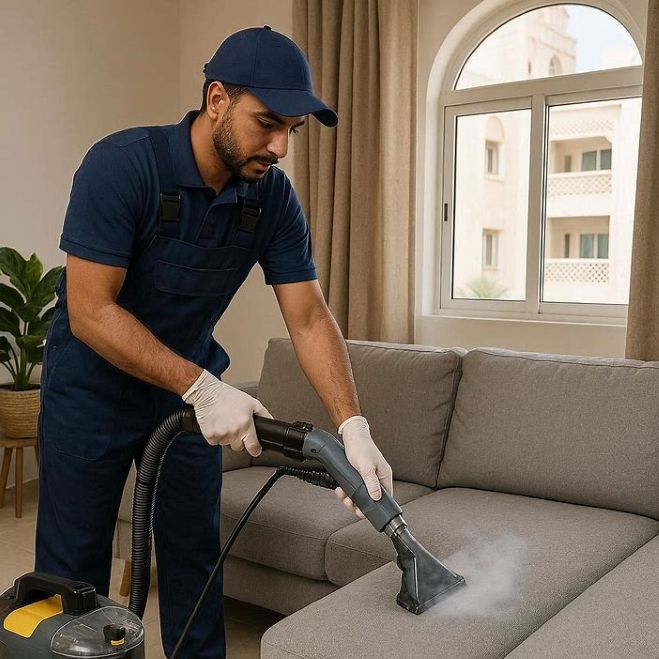
Saudi Arabia’s cleaning services market has expanded steadily in recent years, driven by urban growth and rising demand for professional home maintenance. Industry estimates suggest that facility management and cleaning services in the Kingdom are growing alongside real estate development, particularly in cities like Jeddah, where residential turnover is high. This growth has reshaped how cleaning companies operate, pushing them to refine workflows, adopt new tools, and respond to stricter expectations from customers and regulators.
A typical day for a technician at a Steam cleaning company in Jeddah (شركة تنظيف بالبخار بجدة ) begins early. Schedules are tightly planned, often the night before, with routes mapped to reduce travel time across Jeddah’s busy districts. Before leaving the depot, technicians inspect their machines, check water levels, and review job notes. These notes often include details about fabric types, stains, and customer preferences. Research from the International Sanitary Supply Association (ISSA) highlights that preparation and equipment readiness can improve job efficiency by up to 20 percent, a margin that matters in a competitive market.
A Technician’s Workday in Motion
By mid-morning, technicians are already moving between homes. Each visit presents a different challenge. One client may have a delicate linen sofa that requires low-moisture cleaning. Another may need deep treatment for heavily stained upholstery after years of use. These situations demand quick decisions. A misstep can damage fabric or leave stains untreated, both of which affect customer trust.
Technicians often begin with a visual inspection. They test small areas before applying steam or cleaning solutions. This step is essential because upholstery materials react differently to heat and moisture. Cotton blends can handle moderate steam, while silk or antique fabrics may require dry cleaning methods. Experts at the Carpet and Rug Institute note that improper cleaning techniques are one of the leading causes of fabric wear, reinforcing the need for careful assessment before treatment.
Customer interaction is another part of the job that shapes outcomes. Many clients expect immediate results, especially when dealing with visible stains. Technicians must explain what is realistic. Some stains, such as ink or dye transfer, may not disappear completely. Clear communication helps avoid misunderstandings and builds long-term trust.
Choosing the Right Equipment and Method
Steam cleaning remains a preferred method for many companies because it balances effectiveness with hygiene. High-temperature steam can break down dirt and kill bacteria without relying heavily on chemicals. Data from the U.S. Environmental Protection Agency indicates that reducing chemical use in cleaning can improve indoor air quality, a factor increasingly valued by households.
However, steam is not always the best option. In humid environments, excess moisture can lead to longer drying times or even mold risks. For this reason, technicians carry alternative tools such as extraction machines or low-moisture systems. The decision depends on several factors, including fabric type, stain severity, and ventilation conditions in the home.
Cost efficiency also plays a role. Steam machines require maintenance and energy, while specialized solutions add to operational expenses. Businesses must weigh these costs against customer satisfaction. Choosing the wrong method can lead to repeat visits, which increase labor costs and reduce profitability.
Business Realities Behind the Service
Pricing in the cleaning industry is rarely straightforward. Companies must consider labor, transportation, equipment depreciation, and cleaning agents. At the same time, customers often compare prices online, expecting competitive rates. This creates pressure to maintain transparency while staying profitable.
Some companies address this by offering tiered pricing based on service depth. Basic cleaning may include surface treatment, while premium packages involve deep extraction and stain protection. According to a report by McKinsey & Company, service-based businesses that clearly communicate pricing structures tend to retain customers longer, as transparency reduces uncertainty.
Competition is intense, especially in urban centers like Jeddah. New entrants frequently appear, often offering lower prices to attract clients. Established providers respond by emphasizing quality, reliability, and customer service. Reviews and word-of-mouth recommendations carry significant weight, shaping a company’s reputation over time.
Labor Conditions and Workforce Challenges
Behind every service call is a workforce that operates under demanding conditions. Technicians spend long hours on the road, handle heavy equipment, and work in varying environments. Ensuring fair labor practices has become a growing focus in the region.
Saudi labor reforms in recent years have aimed to improve worker mobility and conditions. The Saudi Ministry of Human Resources and Social Development has introduced policies to enhance contract transparency and protect worker rights. These changes influence how cleaning companies recruit, train, and retain staff.
Training is particularly important. Technicians must understand both technical procedures and customer interaction. Companies that invest in training often see fewer service errors and higher customer satisfaction. This, in turn, supports long-term growth.
Regulation and Environmental Responsibility
Regulation plays a quiet but important role in shaping the cleaning industry. Authorities monitor the use of chemicals, waste disposal, and workplace safety. These rules are designed to protect both workers and customers.
Environmental concerns are also becoming more prominent. Many clients now ask about eco-friendly practices, such as biodegradable cleaning agents or water-saving methods. Research published by the United Nations Environment Programme shows that sustainable cleaning practices can significantly reduce water pollution and chemical exposure in households.
At the same time, broader industry insights into how professional cleaning services support healthier work environments highlight the role of structured sanitation routines in reducing bacteria, improving air quality, and maintaining safer indoor spaces. Studies indicate that consistent professional cleaning reduces the spread of germs and improves workplace health outcomes, reinforcing the value of adopting higher standards across both residential and commercial settings.
For businesses, adopting greener methods can be both an opportunity and a challenge. Eco-friendly products often cost more, which affects pricing. Yet they also appeal to a growing segment of environmentally conscious customers. Companies must find a balance that aligns with both sustainability goals and financial realities.
Balancing Trust, Quality, and Growth
The daily operations of a steam cleaning provider reveal a complex balance of decisions. From selecting the right method for a delicate sofa to managing costs and meeting regulations, every step requires attention and care. These challenges underscore how much work goes on behind a service that many customers see as routine.
As the market continues to grow, businesses offering upholstery steam cleaning services in Jeddah will need to adapt. Investing in training, maintaining transparent pricing, and embracing environmentally responsible practices will shape their future. At the same time, maintaining a human touch, clear communication, reliability, and respect for customers, remains central to building trust.
Ultimately, the success of any sofa cleaning provider or upholstery care specialist depends on its ability to deliver consistent results while navigating the pressures of competition and regulation. The work may happen behind closed doors, but its impact is visible in every clean, restored piece of furniture and every satisfied customer.